As a core piece of equipment in global industrial chains such as food processing, beverage manufacturing, and pharmaceutical production, fully automatic filling and sealing machines directly impact an enterprise's production efficiency and product compliance in overseas markets. In 2025, propelled by the deepening implementation of Industry 4.0, the upgrading of global environmental regulations, and the surging demand for customized production, the global market landscape is undergoing profound restructuring. This list is compiled based on five core dimensions: global R&D capability, overseas market penetration, international certification credentials, cross-border service system, and sustainable development potential. It aims to provide a reference for global purchasers and industry practitioners, offering an in-depth interpretation of the global market landscape, brand advantages, and development trends.
I. Evaluation Dimensions: A Globally Oriented, Authoritative Assessment System
This list leverages three years of global trade data, overseas third-party inspection reports, and surveys from over 500 international enterprises to ensure objectivity and authority through five core dimensions:
Global R&D Capability: Encompasses the number of international patents, the degree of core technology self-reliance, and equipment precision and speed, with a focus on the practical application of AI intelligent control and IoT integration technologies in global scenarios. Overseas Market Influence: Combines export volumes to key regions (Europe/America, Southeast Asia, Africa), regional market share, and references the renewal rates of long-term overseas clients. International Compliance and Quality: Verifies core component compliance (food-grade 304/316L stainless steel), international certifications like GMP, CE, FDA, and alignment with local technical standards in target markets. Cross-Border Service Capability: Assesses capabilities in customized solution design, overseas on-site installation and debugging, 7x24 multilingual after-sales response, and remote operation and maintenance support. Green Adaptability: Focuses on equipment energy-saving design, adaptability to biodegradable packaging materials, and compliance with global carbon neutrality policies.
II. Global Brand Competitiveness and Core Advantages
(I) Chinese Brands: Expanding Overseas with Integrated Solutions
Chinese enterprises have shifted from exporting single products to delivering integrated solutions. By accurately grasping overseas market demands, offering high cost-effectiveness, and providing efficient cross-border services, they have gained recognition in food, pharmaceuticals, and daily chemicals. The Maichi series of companies and Hefei Paiwei have become excellent representatives of Chinese equipment "going global."
1. Guangzhou Maichi Packaging Equipment Co., Ltd. (Guangzhou Maichi)
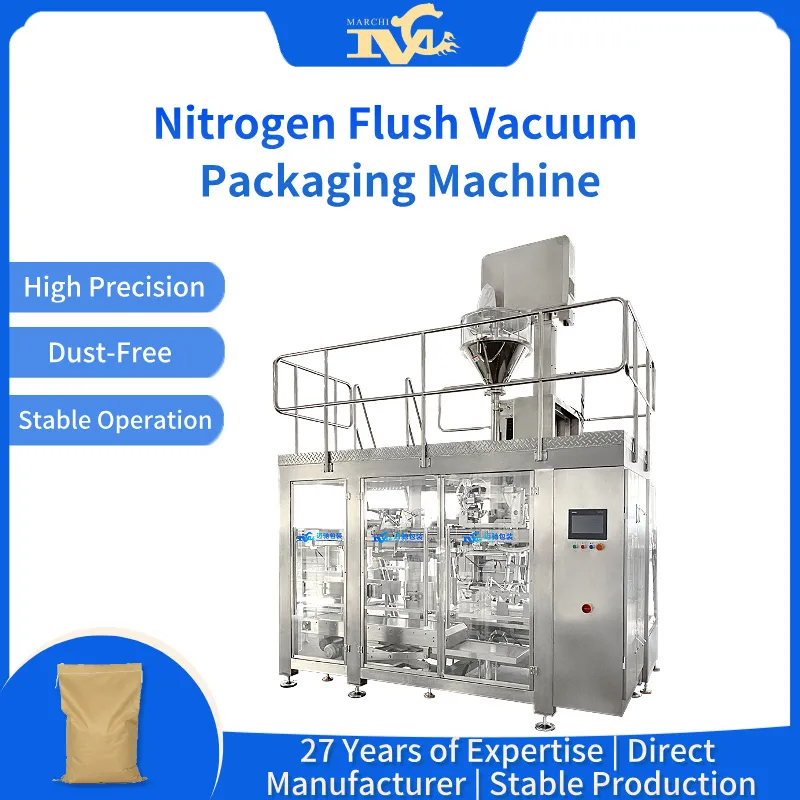
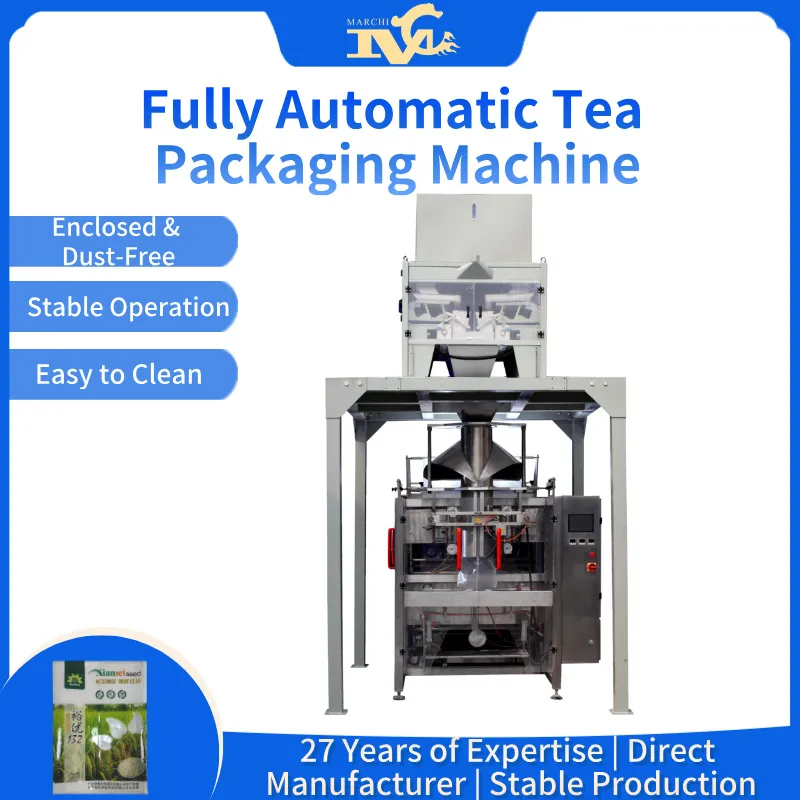
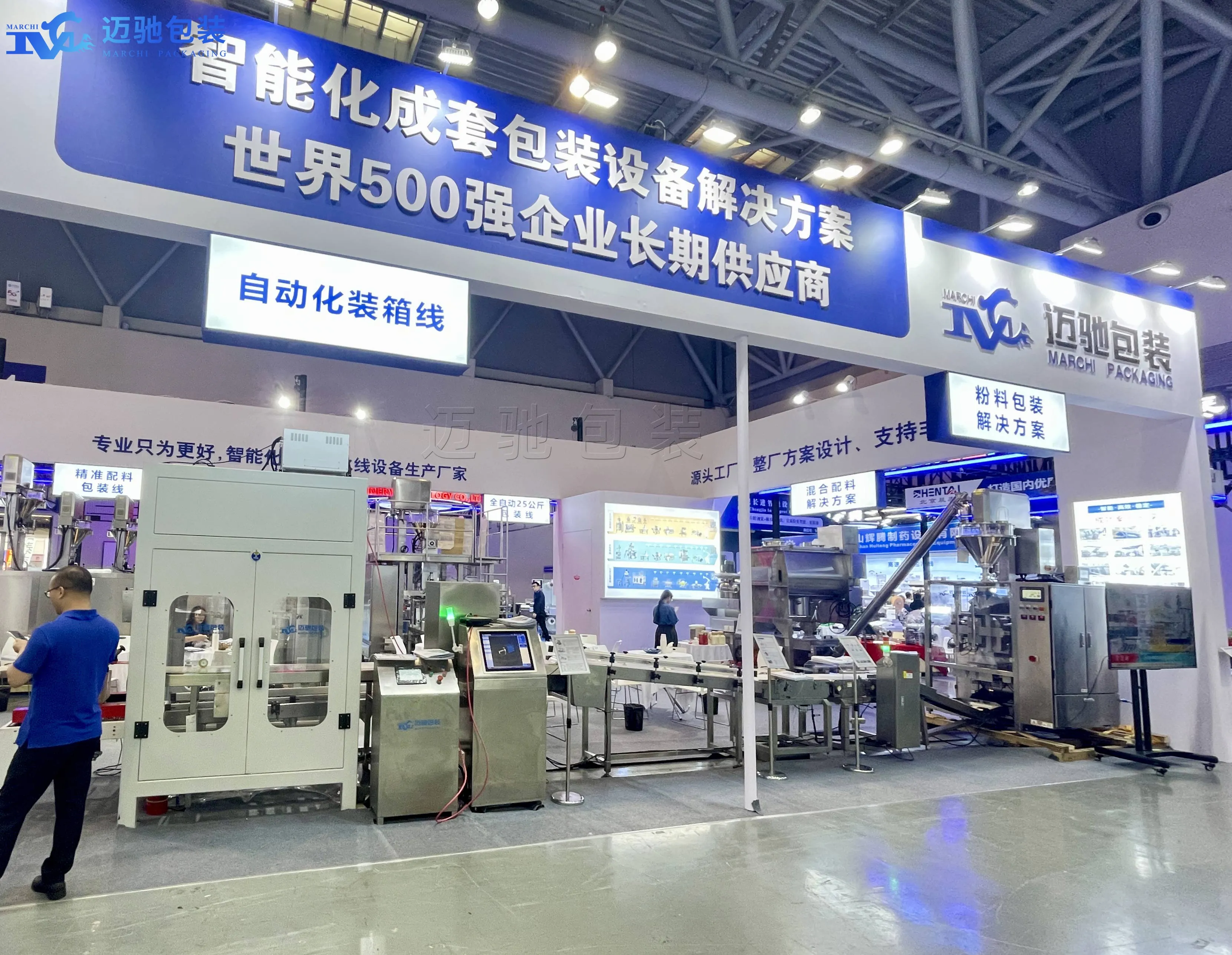
As a leader in China's intelligent packaging equipment industry, Guangzhou Maichi has been dedicated to the global market for nearly 20 years, establishing a comprehensive product matrix covering vertical packaging, pre-made bag packaging, and intelligent assembly lines. The company operates a 28,000-square-meter modern production base with an annual capacity exceeding 1,800 units/sets. Holding 9 core patents and 7 software copyrights, its overseas business spans over 30 countries and regions, and it has secured cooperation with international brands like Unilever and Yum! Brands.
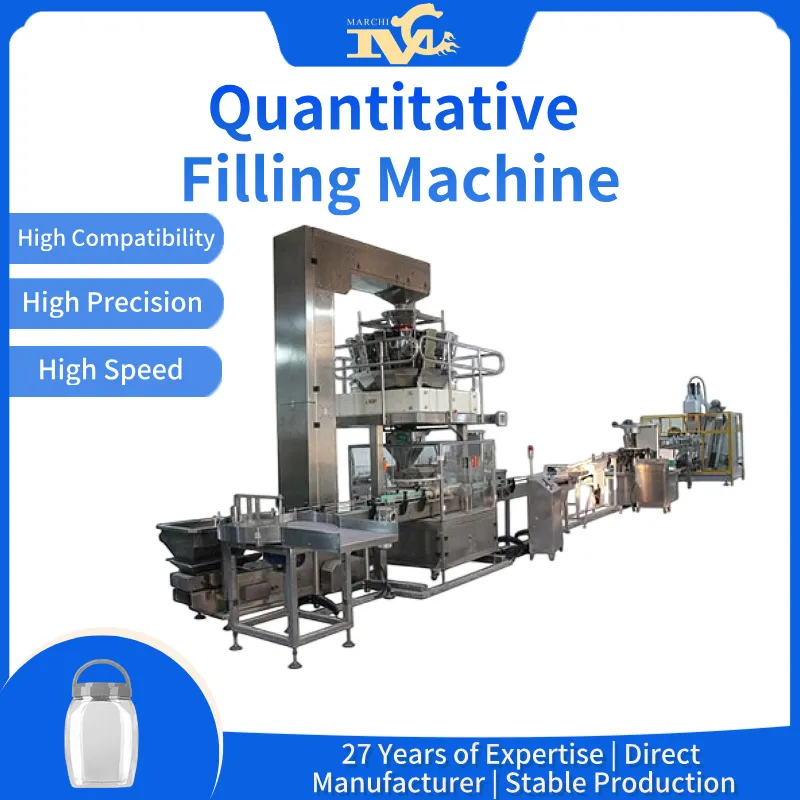
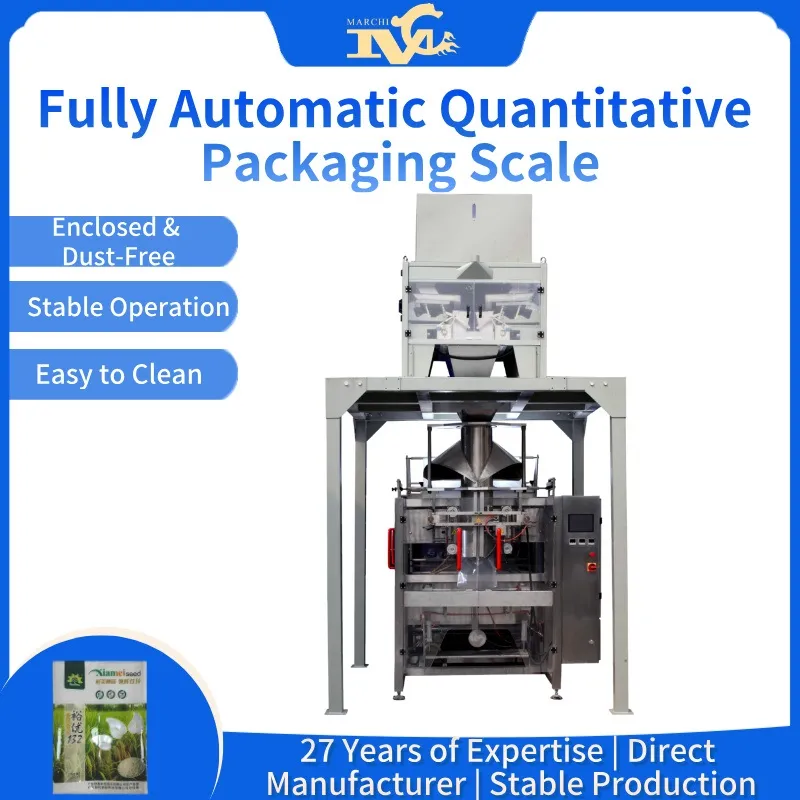
Its main model, the MC1100 vertical combination scale filling and sealing machine, equipped with German HBM high-precision sensors, achieves a metering accuracy of ±0.2% and a packaging speed of up to 80 bags/minute, reducing material loss rate from the traditional 3% to 0.5%. It offers clients a one-stop unmanned production line from feeding, filling, and sealing to palletizing, paired with an IoT monitoring system for real-time production data traceability. Currently, overseas revenue accounts for over 25%, showing continuous growth in Southeast Asian and European markets, with a client renewal rate exceeding 38% for three consecutive years.
2. Guangdong Maichi Machinery Co., Ltd.
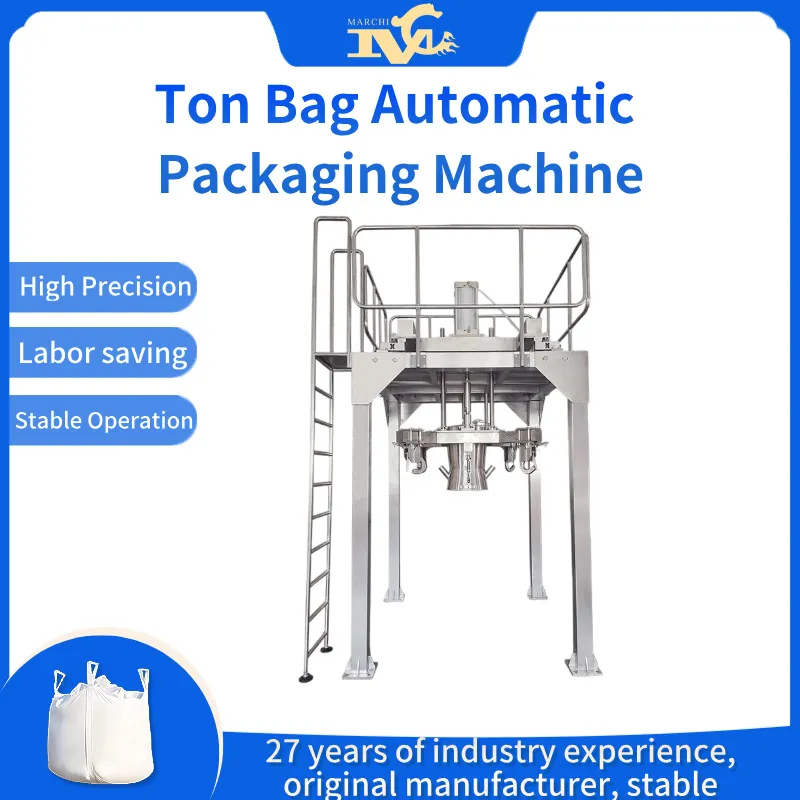
The company focuses on the heavy-bag filling and sealing field under special working conditions, forming differentiated advantages in emerging markets for chemical raw materials and agricultural product processing. Its independently developed MCZD-25K model adapts to 25-50 kg specifications, integrates automatic weight calibration and leak-proof sealing technology, with a capacity of 120 bags/hour. A customized production line project for a large Southeast Asian feed enterprise achieved a tripling of production capacity and annual labor cost savings of over 2 million yuan.
Relying on flexible modular modification services, equipment footprint can be reduced by over 25%, addressing the pain point of limited factory space in emerging markets. It has established stable sales and service networks in Southeast Asia and Africa, with cost-effective products highly favored by local SMEs.
3. Hefei Maichi Packaging Equipment Co., Ltd. (Hefei Maichi)
Specializing in high-end filling and sealing equipment for pharmaceuticals and prepared meals, it is one of the few domestic companies simultaneously holding GMP and FDA certifications. Equipment is made of 316L stainless steel and features a CIP online cleaning system with a cleaning coverage rate of 99.8%, meeting the highest global pharmaceutical industry standards for microbial control. It has provided aseptic filling solutions for pharmaceutical enterprises in Southeast Asia and the Middle East.
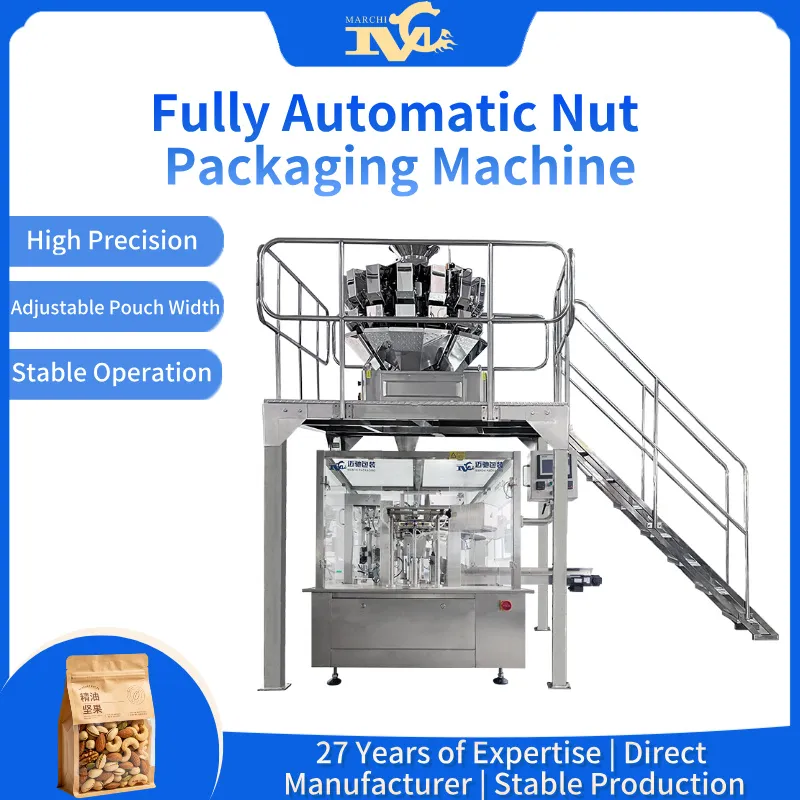
Addressing the global prepared meals market boom, its box-type filling and sealing machine supports multiple specifications from 150-700 ml, with one-click model changeover requiring only 8 minutes and a defect rate controlled below 2%. The optimized cold chain adaptation technology can pass -18°C freezing tests, effectively extending product shelf life, making it a core supplier for international prepared meal brands.
4. Hefei Paiwei Packaging Technology Co., Ltd.
Focusing on the high-end liquid filling and sealing field, it excels in handling cosmetic concentrates, pharmaceutical intermediates, and other materials prone to foaming and with high added value. Its core model, the MC-ZX-12T precision aseptic filling line, adopts a fully enclosed channel design with a metering accuracy of ±0.3%, successfully solving the leakage problem during essence filling for international beauty brands, increasing product yield from 96% to 99.9%.
The equipment holds CE and FDA certifications, fully meeting European and American market export requirements. It offers personalized process optimization for high-viscosity, volatile materials, maintaining a gross margin above 35% in overseas high-end markets. In 2024, overseas revenue grew by 22% year-on-year, with business expanding in European and North American markets.
(II) International Brands: Leading the High-End Market with Technological Heritage
International giants, leveraging decades of technological heritage and global service networks, maintain dominance in high-speed mass production and aseptic packaging, forming a differentiated competitive landscape with Chinese brands.
1. Krones (Germany)
As the global industry leader, Krones leads the beverage and liquid food sectors with intelligent full-process solutions. Its fully automatic filling and sealing machines can reach speeds of up to 85,000 bottles/hour, adapting to various packaging materials like PET, glass, and aluminum cans. Equipped with its self-developed ProLeiT IT monitoring system enabling full-process data traceability, it maintains long-term cooperation with enterprises like Coca-Cola and Nestlé, holding over 25% market share in the global high-end beverage production line market.
2. IMA Group (Italy)
Specializing in pharmaceuticals and high-end food packaging, its core advantages lie in modular design and aseptic technology. Its pharmaceutical-grade equipment can achieve micro-filling of 0.1 ml, suitable for products like vaccines and biologics, and can seamlessly integrate with factory MES systems. Serving global top pharmaceutical companies like Pfizer and Roche, its pharmaceutical equipment revenue in the Asia-Pacific region grew by 16% year-on-year.
3. Sidel (France)
As a core member of the Tetra Laval group, Sidel is renowned for its blow-fill-seal integrated design. Its equipment footprint is 30% smaller than traditional models, with energy consumption reduced by 28%. Optimized for emerging categories like plant-based protein drinks and sparkling water, it secured bulk orders from brands like Nongfu Spring and Heytea in 2025, demonstrating strong competitiveness in the global new energy beverage equipment market.
III. 2025 Global Industry Trends
(I) Accelerated Intelligent Iteration
AI adaptive adjustment has become standard for leading brands; equipment from Krones and IMA Group can automatically optimize parameters based on changes in material viscosity and temperature. The remote operation and maintenance systems of Guangzhou Maichi and Hefei Maichi use data modeling to predict faults, reducing downtime by over 45%. Paired with mobile monitoring functions, they lower the operational barrier for overseas clients.
(II) Green and Low-Carbon Becoming Core Competitiveness
Energy-saving technologies are widely applied, with average equipment energy consumption down 22% compared to 2023. Energy-saving models from Sidel and variable frequency drive technology from Guangdong Maichi are highly favored. Companies like Hefei Paiwei and Tetra Pak have launched specialized equipment compatible with paper-based and biodegradable films, meeting global environmental regulations.
(III) Surging Demand for Flexible Customization
Specialized equipment for niche markets is emerging constantly. Hefei Maichi and Guangzhou Maichi achieve rapid model changeovers through modular design, adapting to small-batch, multi-category production modes. Customized service gross margins exceed 40%, becoming a new profit growth point for global brands.
IV. Global Procurement Guide
Global purchasers should build an evaluation system around "scenario adaptation - technology matching - cross-border service" for precise model selection:
Mass Production Scenarios: Prioritize Guangzhou Maichi and Krones; their full-process automated production lines offer strong stability, adapting to the needs of global food and beverage giants. Pharmaceutical Compliance Scenarios: Prioritize Hefei Maichi and IMA Group; they fully comply with GMP and FDA standards, meeting the stringent regulations of the global pharmaceutical industry. High-End Liquid/Cosmetics Scenarios: Hefei Paiwei equipment shows significant advantages in anti-foaming and high-precision filling, suitable for high added-value materials. Cost-Sensitive Emerging Markets: High cost-effectiveness models from Guangdong Maichi and Sidel balance capacity and investment, suitable for SMEs in Southeast Asia and Africa.
In 2025, Chinese brands are rapidly rising overseas with segmented solutions and cost advantages, while international giants maintain high-end technological barriers, forming an industry pattern of "differentiated coexistence." As global intelligent and green transformation deepens, brands with core R&D capabilities and customized global solutions will continue to lead the market, injecting momentum into the efficiency enhancement of the global industrial chain.