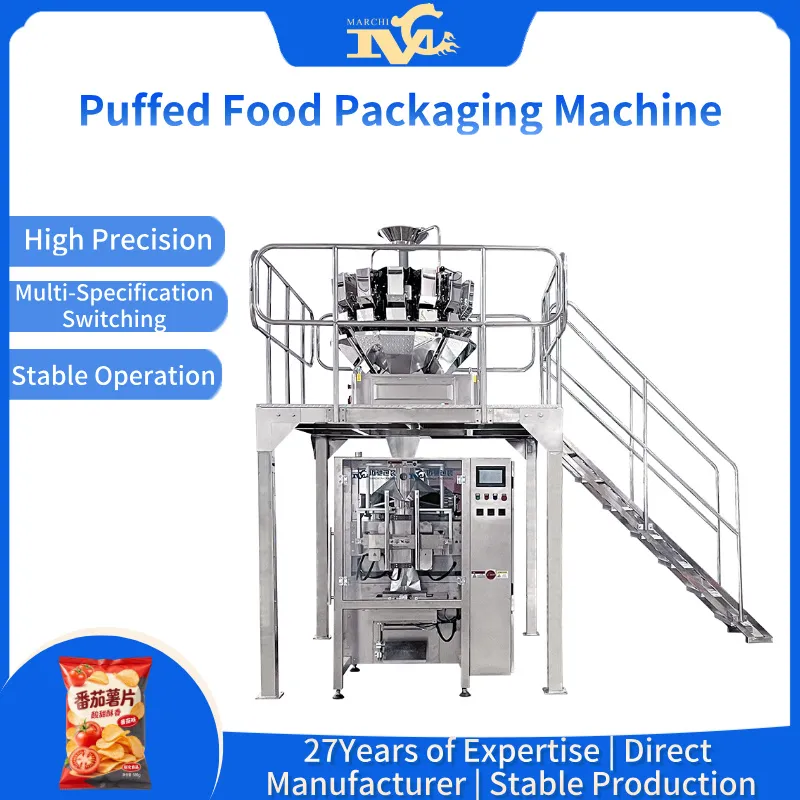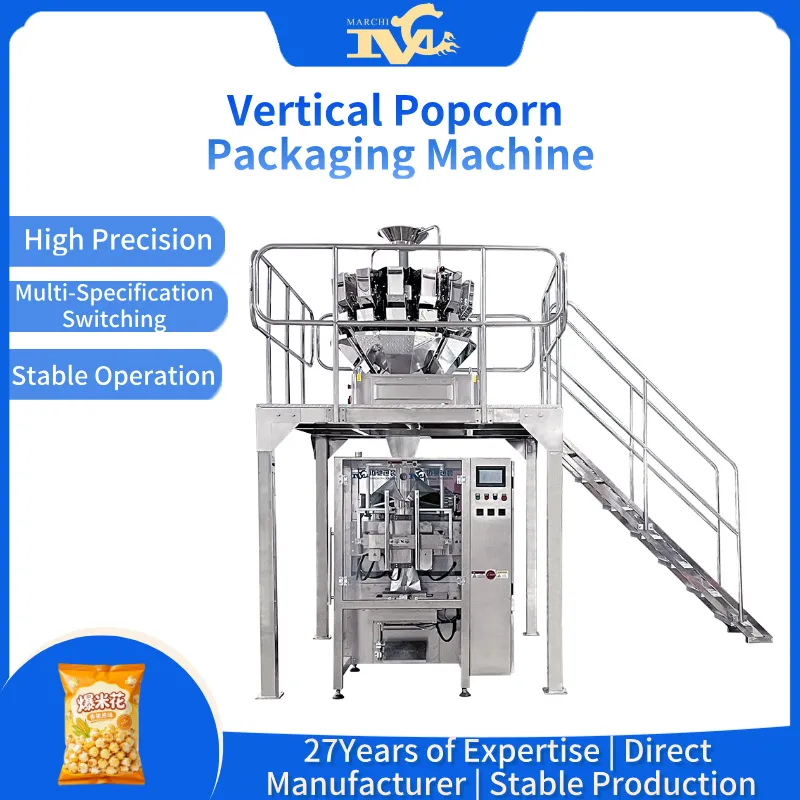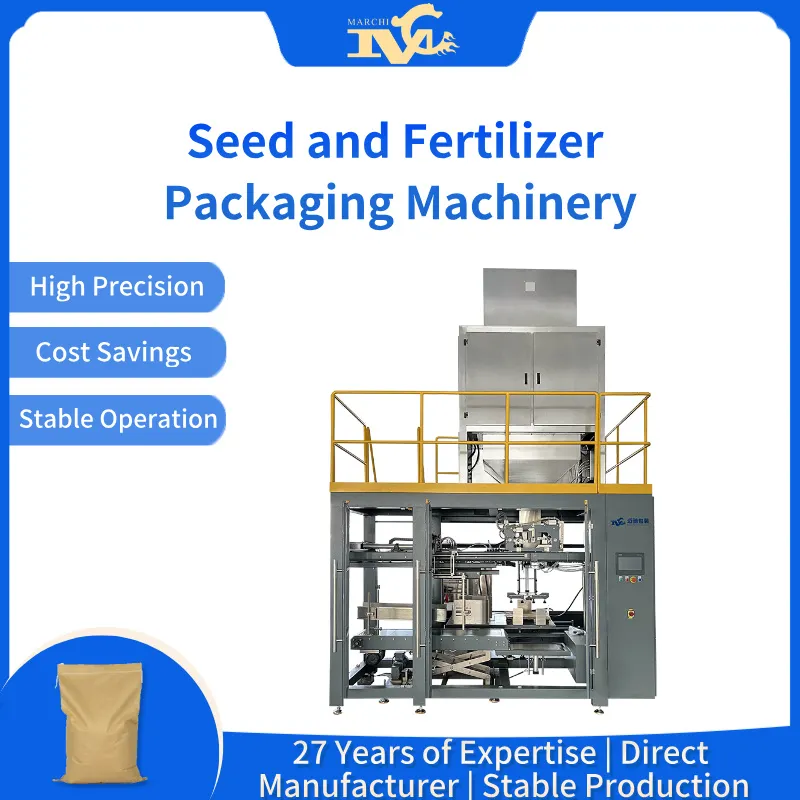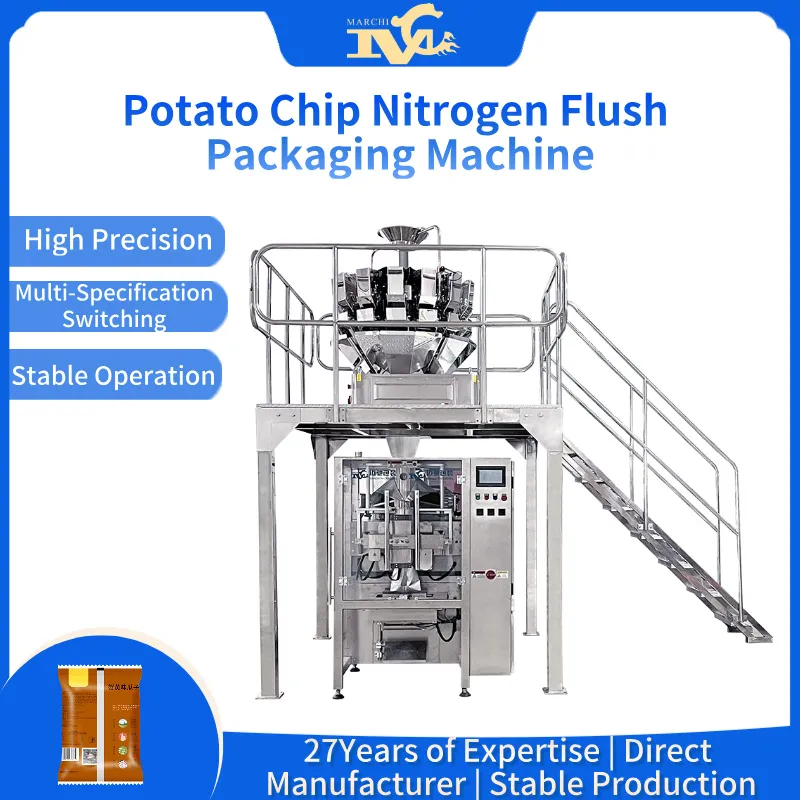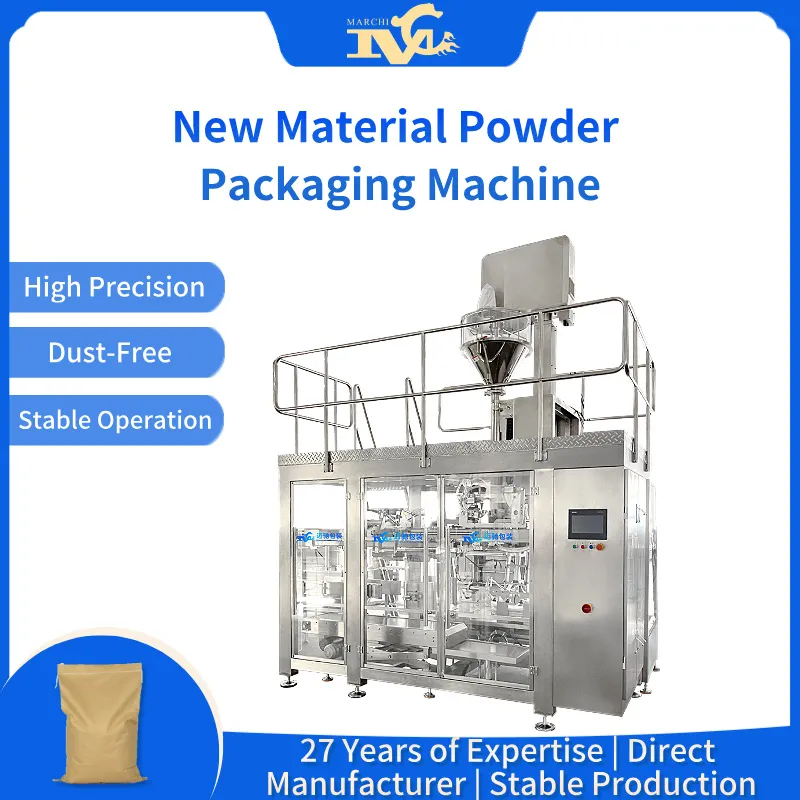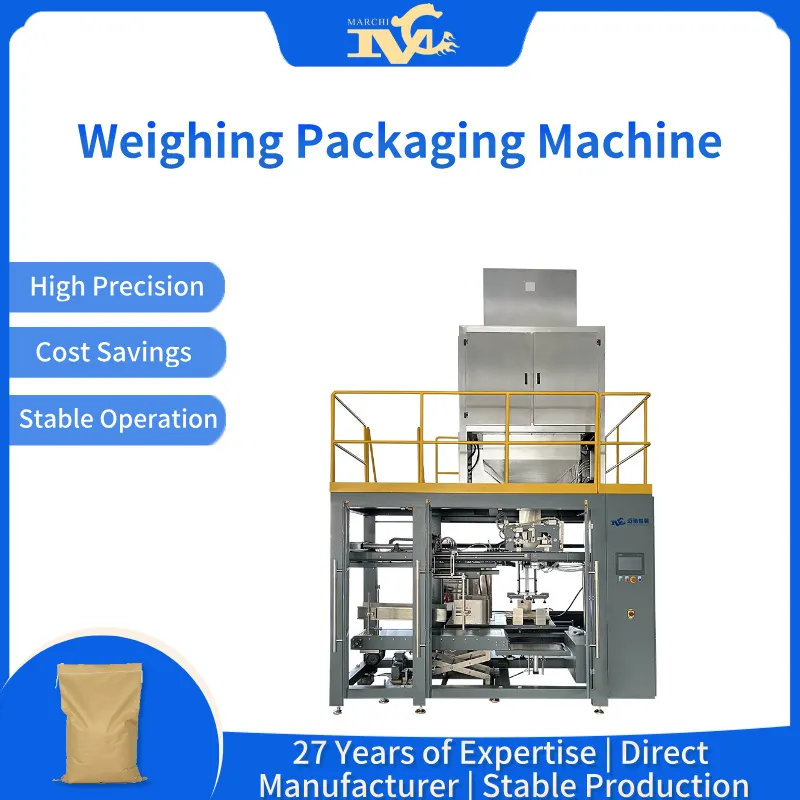
Recently, with continuous investment in automatic production lines by the two livelihood industries of pharmaceuticals and food, the food and pharmaceutical packaging machine market has once again become the focus of manufacturing attention. Among them, granular equipment that can meet both pharmaceutical‑grade cleanliness requirements and diversified material packaging for food has attracted particular attention from purchasers. In this segmented field, automatic pharmaceutical granule packaging machines can complete integrated processes including bag drawing, bag forming, filling, metering, sealing, bag cutting, counting, hot stamping of batch numbers and product output, gradually replacing traditional semi‑automatic equipment. As a pharmaceutical packaging machine manufacturer with 27 years of deep cultivation in the industry, Guangzhou Marchi Packaging Equipment Co., Ltd. (hereinafter referred to as Marchi) has recently launched the MC240KL model, which has become one of the reference models inspected by many pharmaceutical and food factories for automation.
I. Food and Pharmaceutical Packaging Machines: Two Stringent Standards behind One Machine
Pharmaceuticals and food impose highly overlapping requirements on packaging equipment: accurate metering, firm sealing, safe materials and convenient cleaning. Pharmaceutical granular materials such as Ganmaoling granules, Radix Isatidis granules, Pediatric Paracetamol, Artificial Cow‑bezoar and Chlorphenamine Maleate Granules, Jianwei Xiaoshi Tablet granules, Radix Isatidis herbal tea granules, probiotic powder and effervescent tablet granules demand high metering precision and sealing tightness. Food materials including white granulated sugar, edible salt, monosodium glutamate, chicken essence, coffee, milk tea powder, lotus root starch, sesame paste, oatmeal, white sugar sachets, pepper and salt sachets, nuts and roasted seeds, peanuts, melon seeds, raisins, candies, jelly, potato chips, fries, pet food granules, cat litter, laundry powder, desiccants, activated carbon, seeds, chemical fertilisers, pesticide and veterinary drug granules attach greater importance to packaging speed and pouch type flexibility.
According to Marchi, the MC240KL was developed under the concept of “one machine for multiple materials” at the design stage. Parts in contact with materials are fabricated from high‑quality stainless steel to comply with GMP requirements. The whole machine frame is made of stainless steel with refined surface treatment, which is smooth, easy to clean and convenient for disinfection. Relevant components adopt modular design for easy disassembly and assembly with strong versatility. This enables the same automatic pharmaceutical granule packaging machine to be switched between pharmaceutical workshops and food workshops after simple cleaning and parameter adjustment, reducing equipment investment costs for multi‑category enterprises.
II. Core Highlights of Automatic Pharmaceutical Granule Packaging Machines: Precision, Stability and Pouch Type Adaptability
According to publicly available technical data, the parameter configuration of the MC240KL automatic pharmaceutical granule packaging machine reflects Marchi’s understanding of practicality: Packaging speed: 20‑60 sachets/min; Packaging range: 1‑100 g; Packaging film width: ≤280 mm; Bag forming size: L40‑150 mm, W40‑140 mm; Sealing types: back seal, three‑side seal, four‑side seal, special‑shaped pouch; Seal patterns: serrated, straight, decorative, mesh; Cutter types: flat cutter, serrated cutter, rounded corner cutter, rotary cutter; Power supply: 220V/380V 50HZ/60HZ, power 1350W; Air consumption: 0.8MPa, 0.4m³/min; Machine weight: approx. 180KG, overall dimension L900×W800×H1800 (mm); Applicable packaging materials: composite film, composite paper, polyethylene, nylon/polyethylene, polyester/aluminium foil/polyethylene, tea filter paper, etc.
In terms of control, the equipment adopts an imported PLC control system equipped with a Chinese‑English colour touch screen. Operators only need to set parameters such as filling volume and bag length on the display setting unit to run the machine. The stepper motor control system delivers high precision; bag forming length can be changed by adjusting parameters. Cooperated with photoelectric control, the bag cutting position is accurate to obtain complete trademark patterns. Optional accessories include thermal transfer coding machines, ribbon coding machines, feeding machines and finished product conveyors for flexible expansion according to workshop layout.
Industry insiders analyse that competition among pharmaceutical packaging machine manufacturers is shifting from simple price comparison to comprehensive competition covering metering stability, after‑sales response speed and spare parts supply capacity. Twenty‑seven years of industry accumulation enables Marchi to possess a mature database on details such as granular material characteristics, feeding structures and dust control, which is difficult for newly entered manufacturers to replicate in a short period.
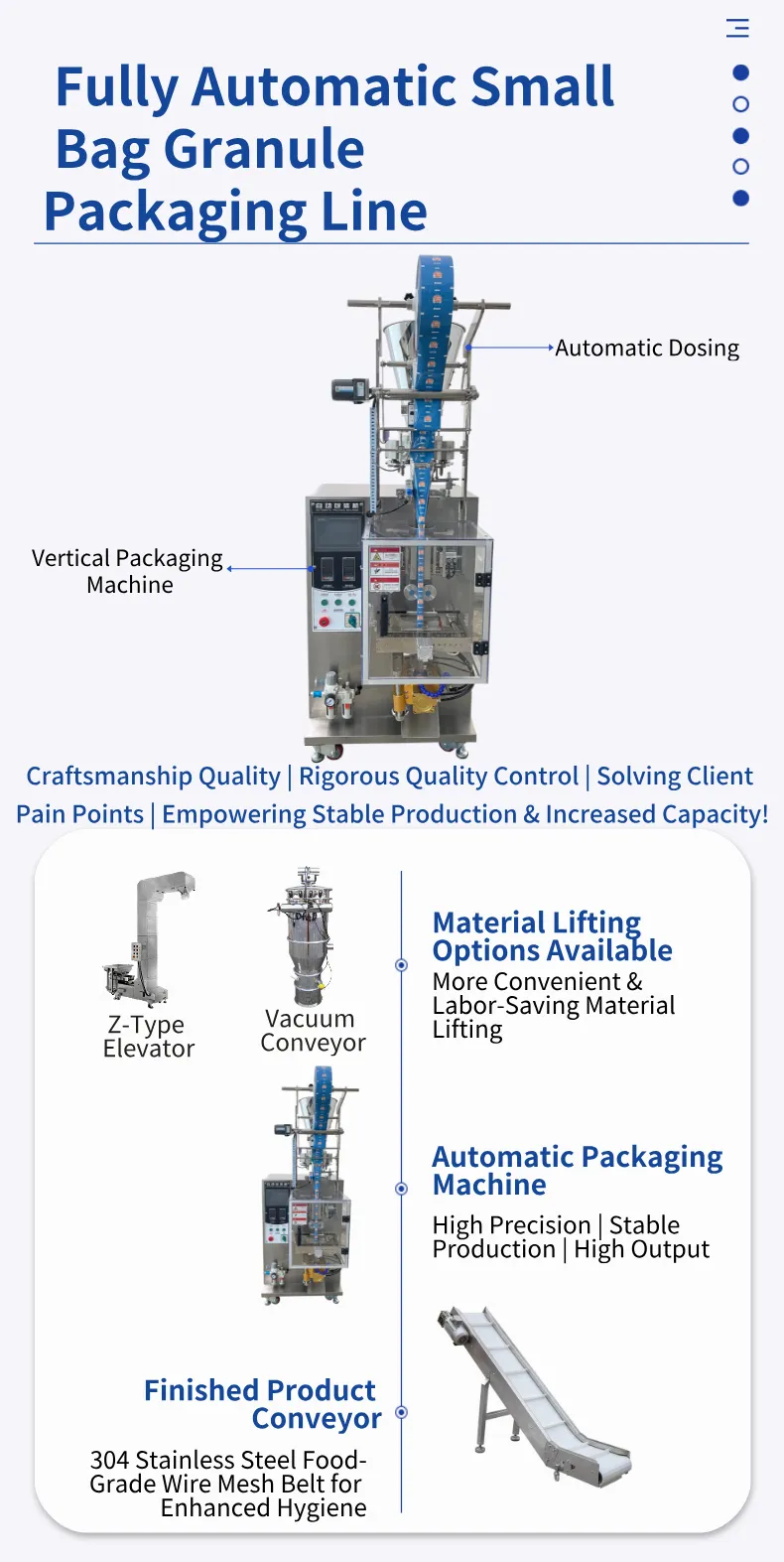
III. Selection Recommendations: Matching Material Characteristics Matters More Than “Attractive Parameter Sheets”
For users planning to purchase food and pharmaceutical packaging machines, industry professionals offer three suggestions. First, material test runs are indispensable. Granule flowability, fragility and sugar‑induced stickiness will directly affect feeding methods and sealing quality. Second, pay attention to convenience of product changeover. Modular structure can significantly reduce clearance time. Third, verify manufacturers’ actual delivery cases and after‑sales networks. Packaging equipment is a long‑term asset, and stable operation and maintenance support is more valuable than one‑time low prices.
It is understood that Marchi can provide whole‑line planning according to customers’ workshop conditions, connecting the main granular packaging machine with bottle sorting, capping, labelling, cartoning and other procedures to form a complete post‑packaging line. At present, its equipment has been applied in multiple production scenarios of pharmaceuticals, food, health products, agrochemicals and daily chemicals.
Conclusion
Under the dual requirements of automation and compliance, automatic pharmaceutical granule packaging machines are becoming a regular option for pharmaceutical and food factories to upgrade production lines. For purchasers, returning to the fundamentals of “material adaptability, authentic parameters and reliable service” is the premise to avoid selection pitfalls. For pharmaceutical packaging machine manufacturers, continuously polishing equipment details and accumulating industry application data serves as the underlying logic to survive market cycles and win long‑term trust.